Inherited Homes
Should we renovate an inherited Toronto home before selling it, or sell it as is?
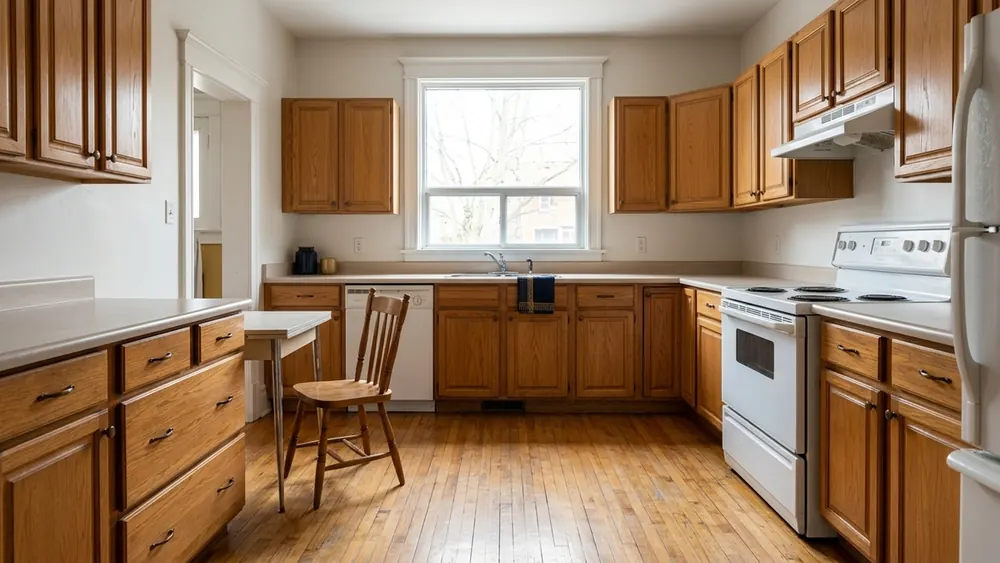
Often the answer sits between the two. Cleaning, clearing and small repairs can help an inherited home present well without a full renovation. Weigh each update’s cost and time against how buyers will see the home before you decide.
On this page
The short answer on renovating first
The answer usually sits between a full renovation and selling exactly as the house stands. For many inherited homes, cleaning, clearing and a handful of small repairs help the home present well without the cost and time of a larger project. The decision comes down to weighing each possible update against how buyers are likely to see the home, and against what the estate and the family are willing to spend and wait for.
This matters because the pressure tends to come from both directions. One heir wants to modernize the kitchen so the house looks fresh. Another wants to list tomorrow and be done. Both instincts are understandable, and neither is automatically right. A clear way of deciding, applied to each item one at a time, usually gets the family to a choice everyone can live with and keeps the house from sitting half-finished.
Before any of this, confirm with your estate lawyer who has authority to sell and who can approve spending on the house. That question shapes everything that follows, including who signs contractor agreements and how repairs are paid for. This article covers the real estate side of the decision only. It gives no legal, estate or tax advice, and it makes no promise about what any update will return.
What selling as is really means
Selling as is means presenting the house in its current condition, without significant repairs or updates before it is listed. It does not mean ignoring the house. Even an as is sale in Toronto usually benefits from clearing personal belongings, a thorough clean and honest answers about what buyers will find. Buyers still look closely, many will want a home inspection, and their offers will reflect the condition they see and the work they expect to do.
The appeal is time and simplicity. The estate avoids managing contractors, paying for work up front and waiting for projects to finish. For heirs who live in another Ontario city, or who are dealing with grief and full lives at once, that can matter a great deal. The trade-off is that buyers price in the work themselves, and their estimate of that work may be larger than what a contractor would actually quote.
Selling as is suits some houses and some families better than others. If the home needs work so extensive that no reasonable amount of updating changes how buyers see it, as is can be the clearer path. If the family needs a simpler process, it can be the right call for that reason alone. Write down why as is appeals to your family, so the reason stays clear when opinions start to shift.
When some updating may be worth it
Some updates change how a buyer experiences a home far more than others. Fresh paint over dated or marked walls, repairs to obvious problems like a dripping tap or a broken step, and a deep clean of floors and windows are common examples. These are the kinds of items that can make a house feel looked after. Each one still needs a quote and a decision, not an assumption that it will pay for itself.
Larger projects are a different question. A new kitchen, a bathroom renovation or a basement finish takes time, money and management, and the estate carries the house the whole while. Buyers may also have their own plans for those rooms. Before committing to anything significant, get written quotes from qualified contractors, ask how long the work will take, and talk through with Daniel how buyers are likely to see the home with and without it.
There is also a middle category: problems that buyers or a home inspector are likely to find, such as a leaking roof or a failing system. Fixing them, disclosing them or pricing around them are each reasonable choices, and the right one depends on the house. A real estate lawyer can explain what needs to be disclosed. Your job is to know the issue exists and decide deliberately, rather than hoping nobody notices.
Questions to ask about each possible update
The simplest way to decide is to take each possible update on its own and ask the same short set of questions. This keeps the conversation away from all or nothing and toward specific choices the family can agree on. Write each item on its own line, add the answers beside it, and you will often find the list narrows quickly to a few items that clearly make sense for this house.
- What will this cost, according to a written quote from a qualified contractor
- How long will the work take, and who will manage it from start to finish
- Will a buyer notice this change, or is it something only the family sees
- Who has authority to approve this spending, according to the estate lawyer
If an item fails on cost, time or how buyers will see it, set it aside. If it passes on all of them, it belongs on the short list. Items in between are worth a conversation with Daniel about how buyers in Toronto tend to react to that kind of issue in a home like yours. When you finish, you should have a short list of updates the family can approve and a clear reason for each one.
Comparing the three main paths
Most families end up choosing among three broad paths: selling as is, doing light preparation, or taking on a larger renovation before listing. The table below sets them side by side in general terms, along with two questions that apply to every path. It does not rank anything and it makes no claim about results. Use it to frame the family discussion, then fill in real costs and timing with quotes and with answers from your estate lawyer.
| Situation | What it involves | Key question to ask |
|---|---|---|
| Sell as is | Clearing and cleaning, no significant repairs | How will buyers price in the visible work? |
| Light preparation | Paint, small repairs, deep cleaning, tidy outdoor areas | Which small items change how the home presents? |
| Larger renovation | Kitchen, bathroom or other major projects before listing | Do the cost and time make sense for the estate? |
| Known major issues | Roof, systems or structure a home inspector may flag | Fix it, disclose it or price around it? |
| Who approves spending | Depends on the estate and its documents | What does the estate lawyer confirm? |
Notice that the last two rows apply whichever path you choose. Known major issues need a decision either way, and the authority to spend estate money always sits with whoever the estate lawyer confirms. The real choice between paths is about how much work the family wants to take on before listing. Agree on that first, and the item-by-item decisions become much easier to make together.
When heirs disagree on the work
Disagreement about renovating is one of the most common sources of friction between heirs. One person sees the house as a project, another as a weight to set down. Start by agreeing on who makes decisions and how the family will communicate, before any work is discussed. Your estate lawyer can explain who has authority. Written updates, shared with every heir at the same time, help everyone stay informed and reduce misunderstandings later.
When opinions differ on a specific item, go back to the questions: what it costs, how long it takes, whether buyers will notice and who approves it. Real quotes tend to settle debates that guesses cannot. If the family still cannot agree, the simpler path is often the one everyone can accept. Decide together how disagreements will be resolved before you start, so a stalled decision does not leave the house waiting.
Your next step before deciding
Before you decide anything, walk through the house and make a list of what you see. Note what looks dated, what looks broken and what simply needs cleaning or clearing. Then gather the information that turns opinions into choices. A single page that covers the items below gives the family, the estate lawyer and Daniel something concrete to work from in a first conversation about the house.
- Confirmation from the estate lawyer about who can approve spending on the house
- A room-by-room list of the repairs, updates and clearing the house might need
- Written quotes from qualified contractors for any item larger than a simple fix
- Any home inspection report, plus records of past repairs and major systems
Once you have that page, you are ready for a useful conversation about preparing and pricing an inherited Toronto home. If you would like to talk it through, you are welcome to bring your list to Daniel. You do not need to have decided between renovating and selling as is. Start with the item the family disagrees on most, and work out what to confirm before anyone spends money on the house.
This article is general information about selling and buying homes in Toronto and Ontario. It is not legal, estate, tax, lending or inspection advice and does not predict prices or rates or promise results. Confirm estate questions with an estate lawyer, taxes with an accountant, land transfer tax with the official Ontario and City of Toronto calculators, financing with a lender, and condo documents with your lawyer. Daniel Warchow, Sotheby’s International Realty Canada.

Written by