Relocating to Toronto
What does a condo status certificate tell me before I buy in Toronto?
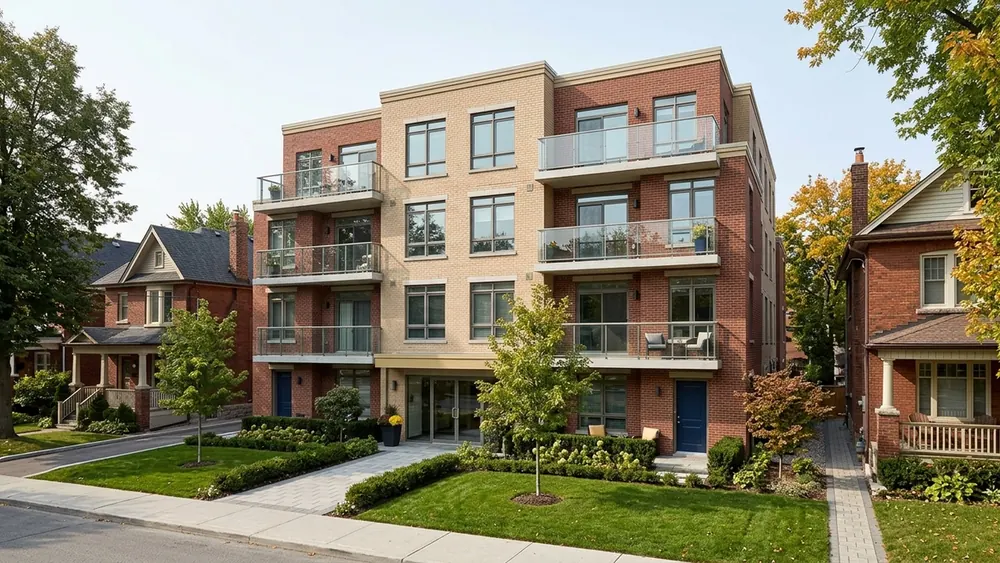
A condo status certificate describes the condo corporation’s situation: its finances, reserve fund, fees, rules, and any legal or other matters that could affect owners. Have your real estate lawyer review it before you are committed to buy.
On this page
- What a status certificate tells you
- Why the corporation matters as much as the unit
- The parts of a certificate to read closely
- When to ask for the status certificate
- Questions to ask your lawyer about it
- Reading the certificate section by section
- Assumptions condo buyers should set aside
- Getting ready to buy a condo here
What a status certificate tells you
A condo status certificate is a package of information about the condo corporation that runs the building, not just about the unit you want. In general, it describes the corporation’s finances and reserve fund, the monthly fees for the unit, the rules and governing documents, and any matters that could affect owners, such as legal proceedings or planned changes. Your real estate lawyer should review it before you are committed to the purchase.
This matters because buying a condo in Toronto means buying a share in a shared building and its obligations. The unit can look perfect while the corporation faces costs that owners will help pay. The certificate is where those issues tend to surface in writing. Reading it with a lawyer turns a gut feeling about a building into specific questions you can ask, and specific answers you can rely on.
This article explains the purpose of the certificate in general terms. It does not set out what the law requires a certificate to contain, how long it takes to arrive or what it costs, and it describes no buildings. Condo rules change. For specifics, rely on official Ontario condo sources and your real estate lawyer, who reviews the actual document for the unit you are considering.
Why the corporation matters as much as the unit
When you buy a condo, you buy your unit and a share of the common elements, and you join a corporation that maintains the building and pays its bills through owners’ fees. The decisions that corporation makes, and the condition of its finances, affect your monthly costs and your future obligations. That is why a status certificate looks past the unit and at the whole corporation behind it.
A buyer who focuses only on the unit can miss what matters most over time. Similar units in different buildings can carry very different obligations, depending on how each corporation has planned for repairs and how it is governed. You do not need to master condo finance yourself. You need to know which questions to ask, and who can answer them, for the building you are considering.
I want you to read the building’s story before you fall for the unit. Have your lawyer review the status certificate, then decide with your eyes open.
The parts of a certificate to read closely
Start with the money. The certificate generally shows the monthly fee for the unit and whether the current owner is behind on payments, along with the corporation’s budget and information about its reserve fund, which is set aside for major repairs and replacements. Ask your lawyer what the reserve information suggests about the building’s plans, and whether any change to the fees has been announced.
Next, look for anything unusual. A certificate may mention a special assessment, which is an extra charge to owners beyond the regular fees, or legal proceedings involving the corporation. It may also note planned work or changes to the common elements. None of these automatically means you should walk away. Each one is a reason to ask what it involves, what it might cost owners and how it is being handled.
Then read the rules. The governing documents set out what owners can and cannot do, which may cover pets, rentals, renovations, parking and storage. If the way you plan to live depends on any of these, confirm it in writing rather than relying on what a seller or a neighbour says. Your lawyer can point you to the relevant sections and explain how they apply to your plans.
When to ask for the status certificate
Ask about the status certificate early, before you are firmly committed. One common approach is to make an offer conditional on your lawyer’s satisfactory review of the certificate, which allows time to read it properly. Whether that condition makes sense for you, and how it should be worded, is a question for your real estate lawyer. Daniel can help you think through how it fits with the rest of your offer.
In some cases a recent certificate is already available from the seller, and in others it needs to be requested from the condo corporation. Who orders it and who pays for it can vary. Ask early, so the document is not the last thing to arrive. A certificate is a snapshot taken on a date, so ask your lawyer whether anything could have changed since it was issued.
Questions to ask your lawyer about it
When your lawyer reviews the certificate, bring your own questions as well as theirs. You know how you plan to use the unit and how long you might stay, and those plans shape which parts of the document matter most to you. Write your questions down before the review so nothing is missed. These are a sensible place to begin, and you can add your own.
- Does the reserve fund information raise any concern about future repairs
- Has the corporation announced any fee change or special assessment
- Is the corporation involved in any legal proceedings that could affect owners
- Do the rules allow the way I plan to use and change the unit
Your lawyer gives the legal reading of the document. For the condition of the unit itself, a licensed home inspector is the right source, and an insurance agent can explain what coverage you need alongside the corporation’s own insurance. If something in the certificate raises a money question for you, a lender or an accountant may help. Note who answered each question and when, so you can go back to them.
Reading the certificate section by section
The table below summarizes the main areas a status certificate usually covers and the question each one helps answer. It is a general guide in plain language, not a statement of what any certificate must legally include. The document for your unit may be organized differently. Use the table to shape your questions, then rely on your lawyer’s review of the actual certificate for the answers.
| Area | Question it answers | Who explains it |
|---|---|---|
| Monthly fees | What does this unit cost each month, and are payments current? | Your real estate lawyer |
| Budget and reserve fund | Is the corporation planning for major repairs and replacements? | Your lawyer, using the reserve information |
| Special assessments | Are extra charges to owners planned or already underway? | Your real estate lawyer |
| Legal matters | Is the corporation in any proceedings that affect owners? | Your real estate lawyer |
| Rules and governing documents | Can I live in the unit the way I plan to? | Your lawyer, with the governing documents |
Notice how often the right column names your lawyer. That is deliberate. The certificate is a legal document, and the useful reading of it depends on context only a lawyer can give for your purchase. What you contribute is clarity about your own plans, so the review focuses on the parts that matter to the way you intend to live in the unit.
Assumptions condo buyers should set aside
One assumption is that a newer-looking building needs no scrutiny. Appearance tells you little about a corporation’s finances or plans. Another is that low fees are always good news. Fees that seem low can sometimes mean less is being set aside for future repairs, so the reason behind them matters more than the figure itself. Let the certificate and your lawyer’s review show you what is actually there.
A third assumption is that the certificate is a formality to clear quickly. It is one of the few places where the building’s obligations appear in writing before you commit. Rate headlines and listing excitement can push buyers to rush. Give the review the time it needs, and do not let anyone’s sense of urgency, including your own, cut it short.
Getting ready to buy a condo here
Before you look at condos in Toronto, write down how you plan to use the unit: whether you will live in it or rent it out, whether you have pets, what changes you might want to make, and what monthly cost you can carry with fees included. Line up a real estate lawyer who reviews status certificates, and ask a lender how condo fees fit into your budget.
If you would like to think through a condo purchase in the right order, you are welcome to bring your questions to Daniel. You do not need a building in mind, and you do not need to be ready to make an offer. Which part of the certificate would you most want explained before you buy: the money, the rules, or anything unusual it might reveal?
This article is general information about selling and buying homes in Toronto and Ontario. It is not legal, estate, tax, lending or inspection advice and does not predict prices or rates or promise results. Confirm estate questions with an estate lawyer, taxes with an accountant, land transfer tax with the official Ontario and City of Toronto calculators, financing with a lender, and condo documents with your lawyer. Daniel Warchow, Sotheby’s International Realty Canada.

Written by